
Just as artists use charcoal or paints or clay to create an experience, teachers use research, best teaching practice and personal insights to craft the best learning experience for their students. I consider what I do to be an art form as well as a scientific process. I’ve developed a unique program and approach, worked hard on my craft, and I’m still learning. I always study my teaching experiences…why something worked well or what didn’t. And I always learn from my students…what helps move them forward faster in their goals, and what doesn’t.
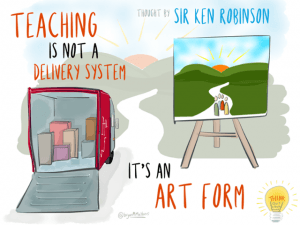
But before you can practice your art, you have to know what you can and can’t do with your materials, and develop and strengthen your techniques. ‘Sharpen your axe’ as Abe Lincoln says. Teachers must spend time learning, growing, experimenting, testing, evaluating, and reflecting so they get stronger and smarter and more efficient–and most of all, more successful at helping students reach their goals in speaking English.

Hi Teachers! Want to sharpen your axe and teach more efficiently, effectively, an expertly?
Here are some ways.
- Sharpen your ax: Read my teaching guides for Russian, Japanese, and Arabic accents to get a colleague’s perspective (mine!) on what works and what doesn’t, and why.
- Learn some ax-wielding techniques: check out my YouTube videos
- Check out my Udemy online course “How to Teach English Vowels”
Hi Students! Here are some ways to teach yourself about the sound in English.
We are often our own best teachers. Students of English, if you can read this page, you will be able to understand my Russian, Arabic and Japanese accent guides. Just search my name, Peggy Tharpe, or go here– Amazon Author Page. If you can’t find me on your Amazon, please let me know at peggy@AmericanPronunciationCoach.com Thanks!
If you are at an advanced level in English and you want to improve your overall sound and neutralize your 1st language accent, check out my online course on Udemy–How to Teach English Vowels–it’s written for TESOL and TEFL teachers, but I’m sure English students be able to follow along (there are captions also). Work independently on strengthening your vowel sounds in English!
- Talk to me about private online pronunciation classes to improve your pronunciation or control your accent, click here.
- Watch my YouTube videos
- Read my answers to pronunciation questions on Quora. Some of them are pretty good! Just search my name.
- Look around my website, americanpronunciationcoach.com. There are free materials on the resources page.
Information about my ebooks on Amazon.com
The ARABIC guide discusses important differences between the Arabic and English sound systems, with lots of ideas and resources.
The JAPANESE guide covers some outside-the-box thinking and activities to help Japanese speakers understand and master the sounds of English. It is laser focused on the most important differences between Japanese and English. This guide comes with a private webpage for use by those who have purchased the e-book; the webpage has recorded word lists and sentences for each chapter, so you can practice that specific English pronunciations and stress patterns.
The RUSSIAN guide takes learners through a powerful set of lessons and strategies to help change Russian intonation to English tones. This guide shares many outside resources and a private page with recordings so you hear models of fluent native English speakers. These recordings are for use exclusively by people who have purchased the e-book.Edit